Author: vm_admin
-
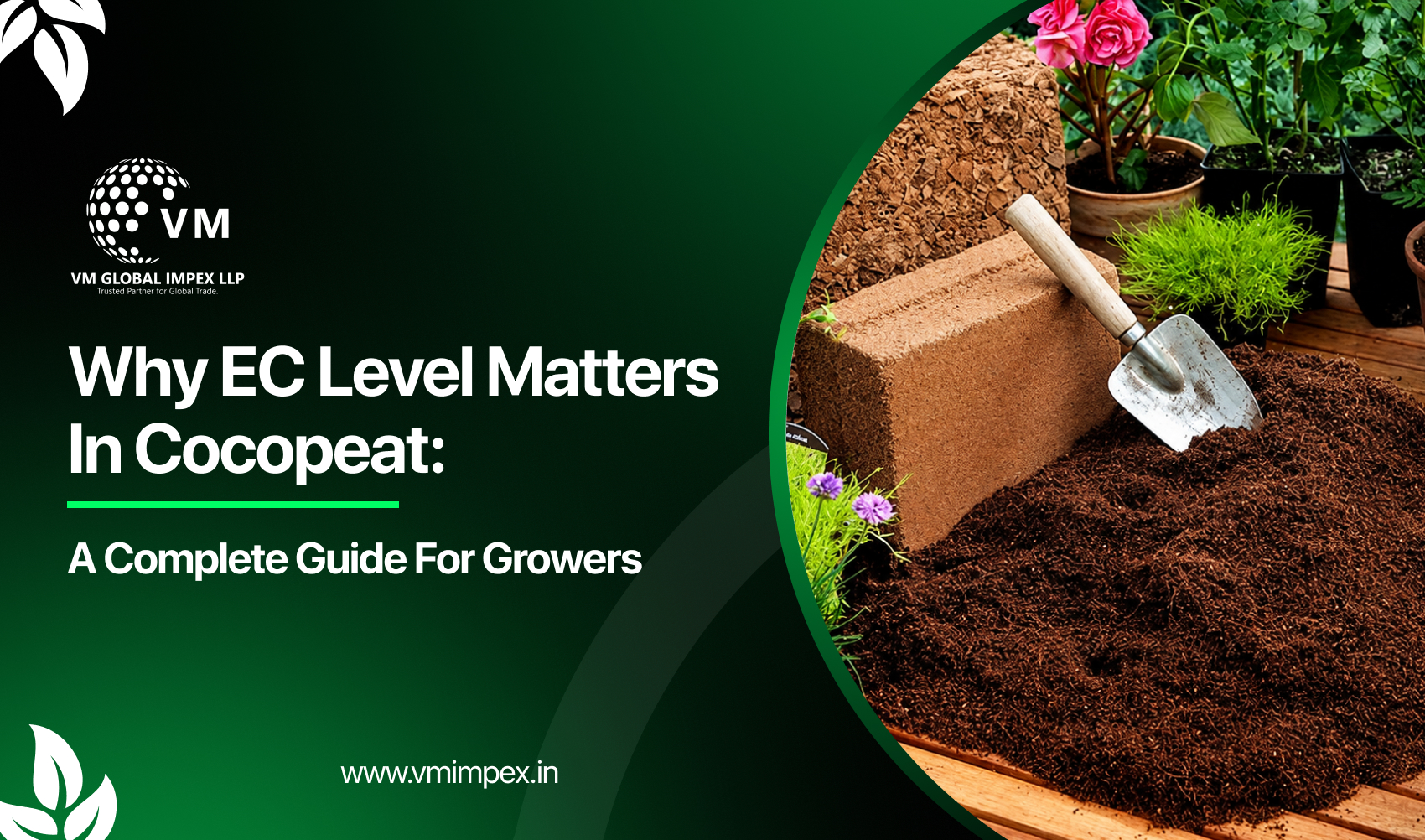
Why EC Level Matters in Cocopeat: A Complete Guide for Growers
In VM Global Impex– A leading cocopeat manufacturer and cocopeat exporters in India, We have seen many growers focus on water retention, aeration, and pH when selecting cocopeat. These characteristics are indeed important. Nevertheless, there is one parameter that determines the success of your growth and is not getting enough attention. In addition, many growers…
-
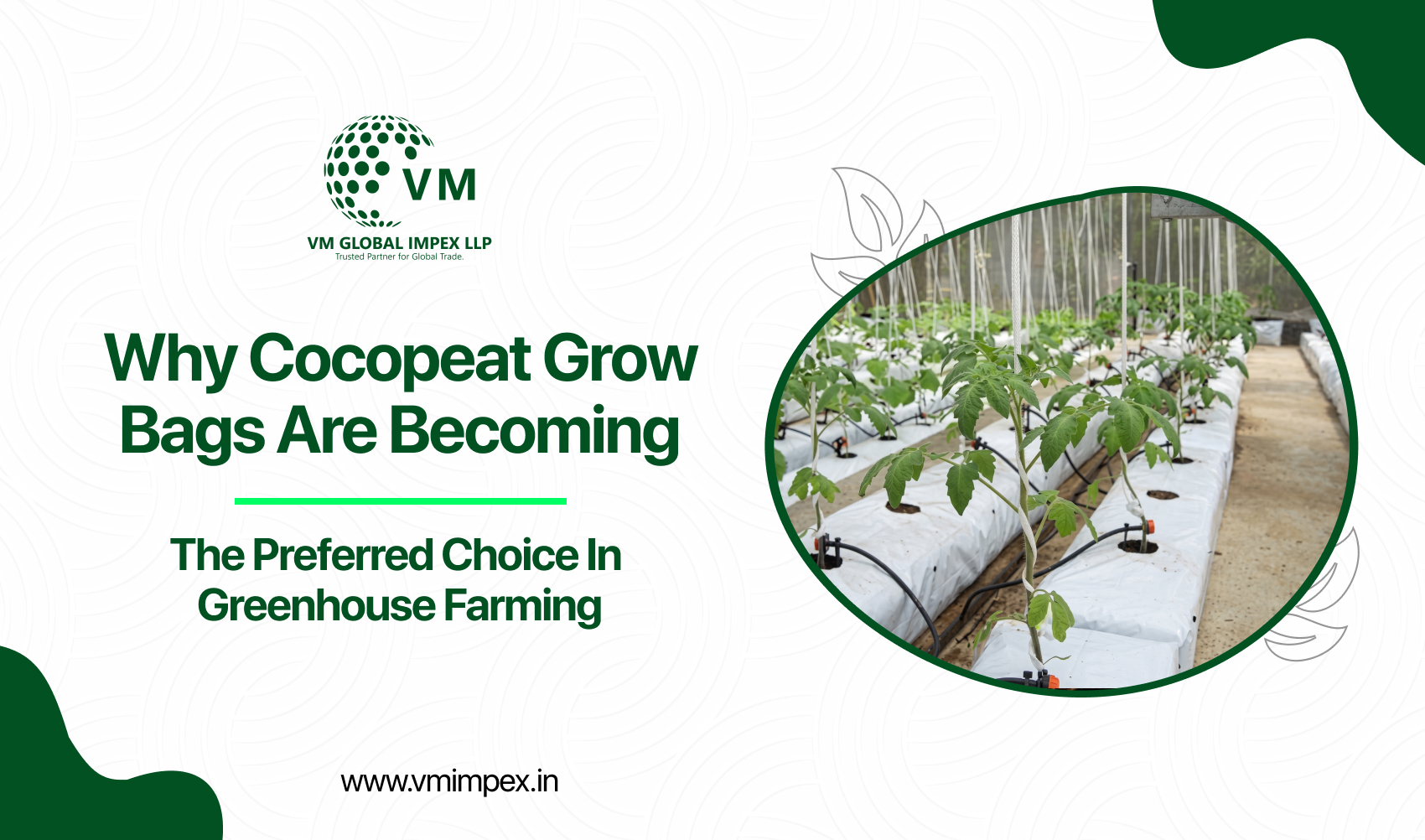
Why Cocopeat Grow Bags Are Becoming the Preferred Choice in Greenhouse Farming
Introduction The moisture content has to be precisely adjusted. The nutrient solution has to be provided to the plants in a predictable manner. Disease has to be minimized, despite the close quarters in which hundreds of plants are housed. Often, soil is not the ideal growing medium and that’s why cocopeat grow bags have turned…
-
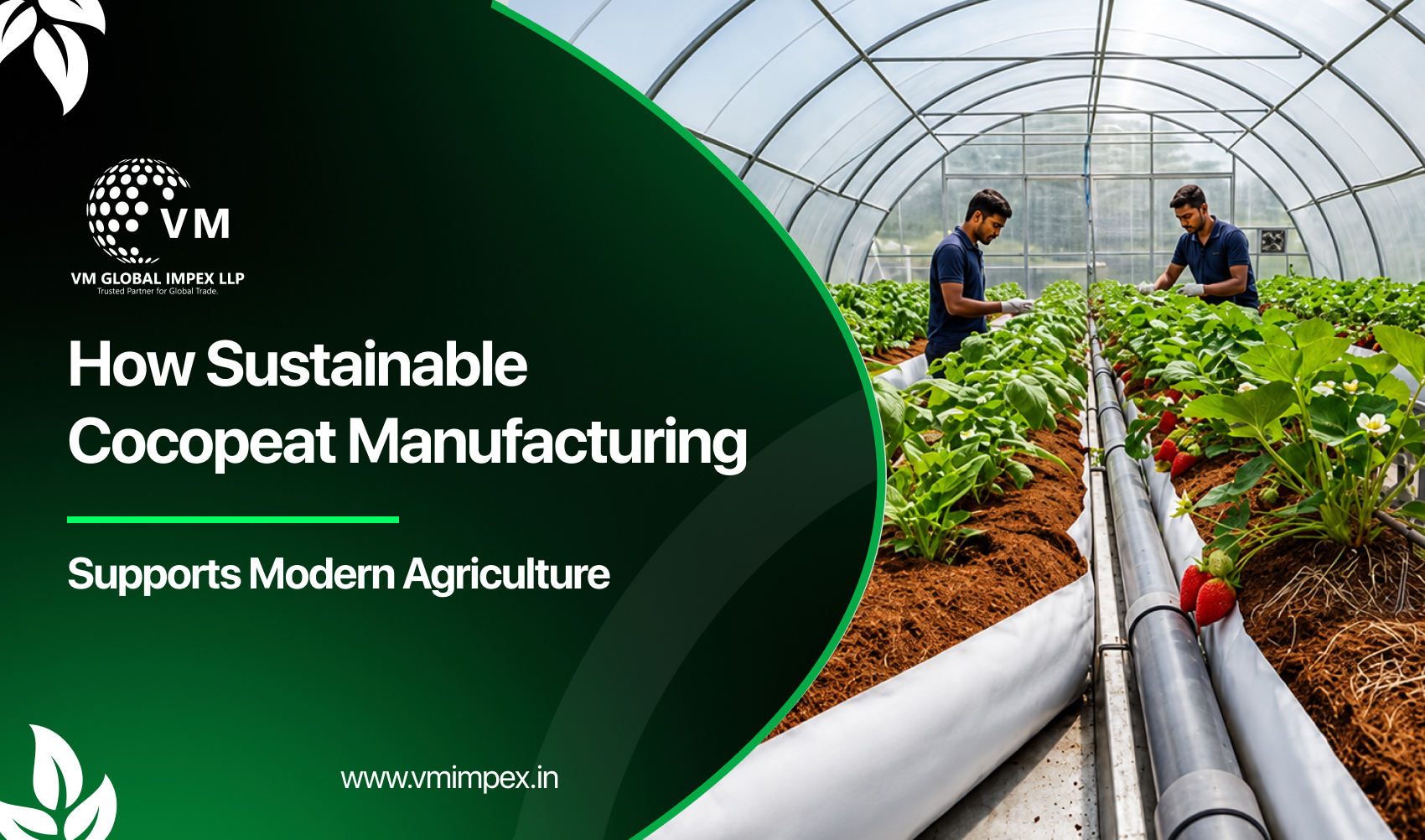
How Sustainable Cocopeat Manufacturing Supports Modern Agriculture
Introduction Coconut husks used to be considered a waste product, dumped somewhere close to the processing plants since they had no apparent use. However, it was soon discovered that the fibrous material that comes from coconut husks can retain moisture and provide an excellent rooting medium for growing plants. This material proved to be a…
-
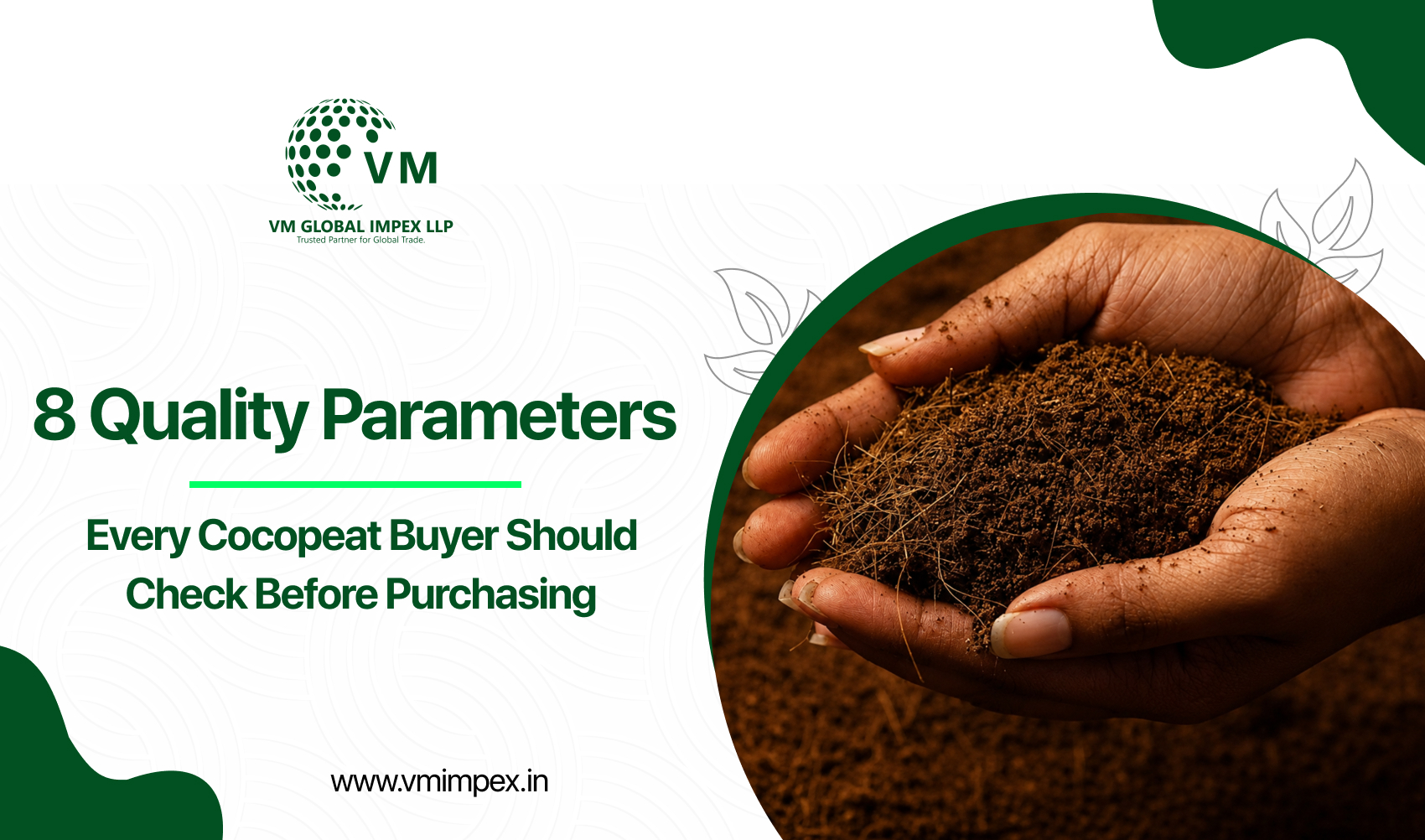
8 Quality Parameters Every Cocopeat Buyer Should Check Before Purchasing
Introduction Cocopeat may seem identical: this huge, brownish, fibrous “block” is mostly similar to another one on the pallet beside it. However, one of these blocks will produce high-quality plugs with strong roots, while the other is destined to ruin your seedlings with salt damage, poor germination, waterlogging, and a few weeks of frustration. In…
-
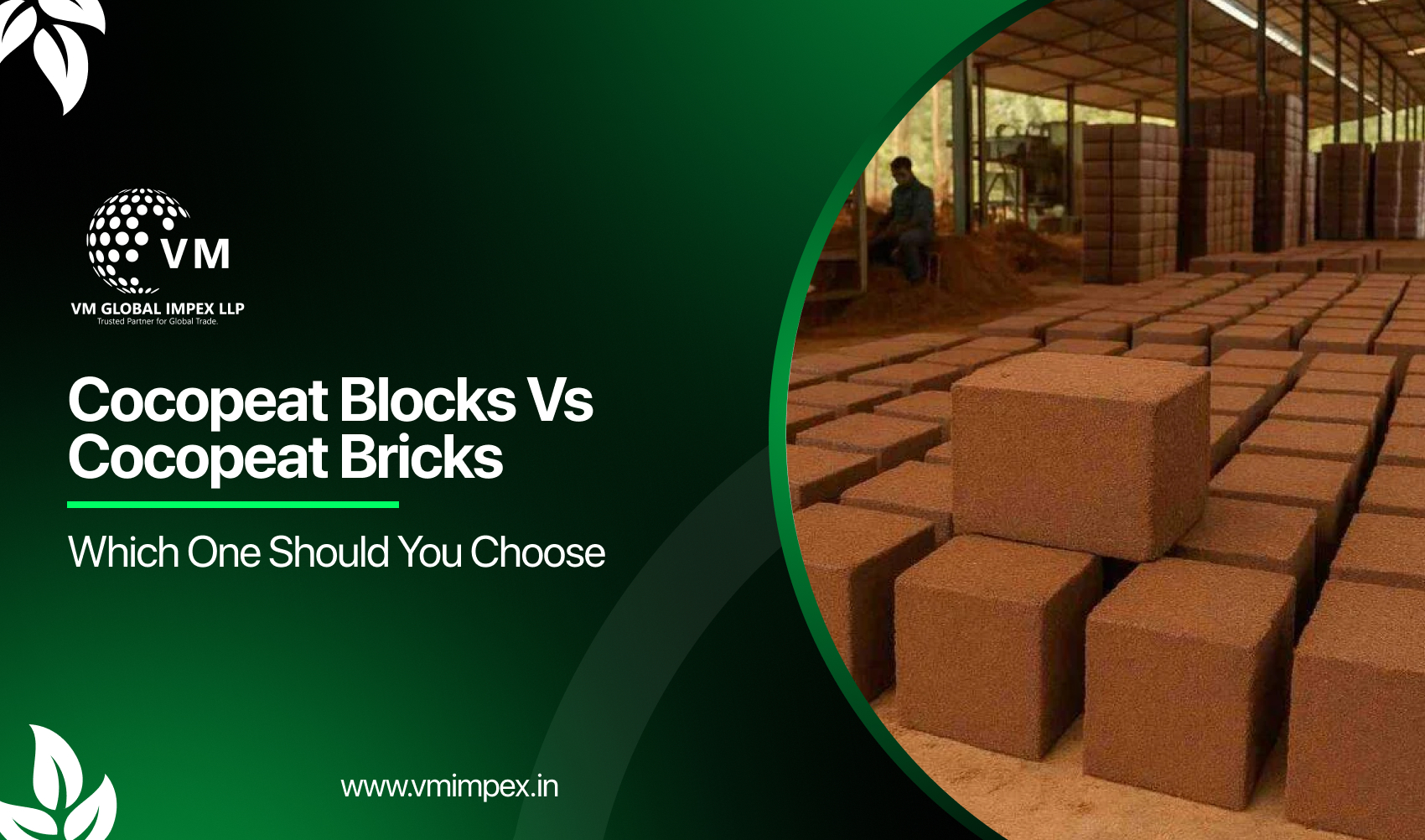
Cocopeat Blocks vs Cocopeat Bricks: Which One Should You Choose?
Introduction: When purchasing your gardening materials for the first time, gardeners and nursery owners may be confused by the two terms. One is a coco peat block, and the other is a coco peat brick. While busy with online purchases, you probably do not have enough time to research both products and their manufacturing details.…
-
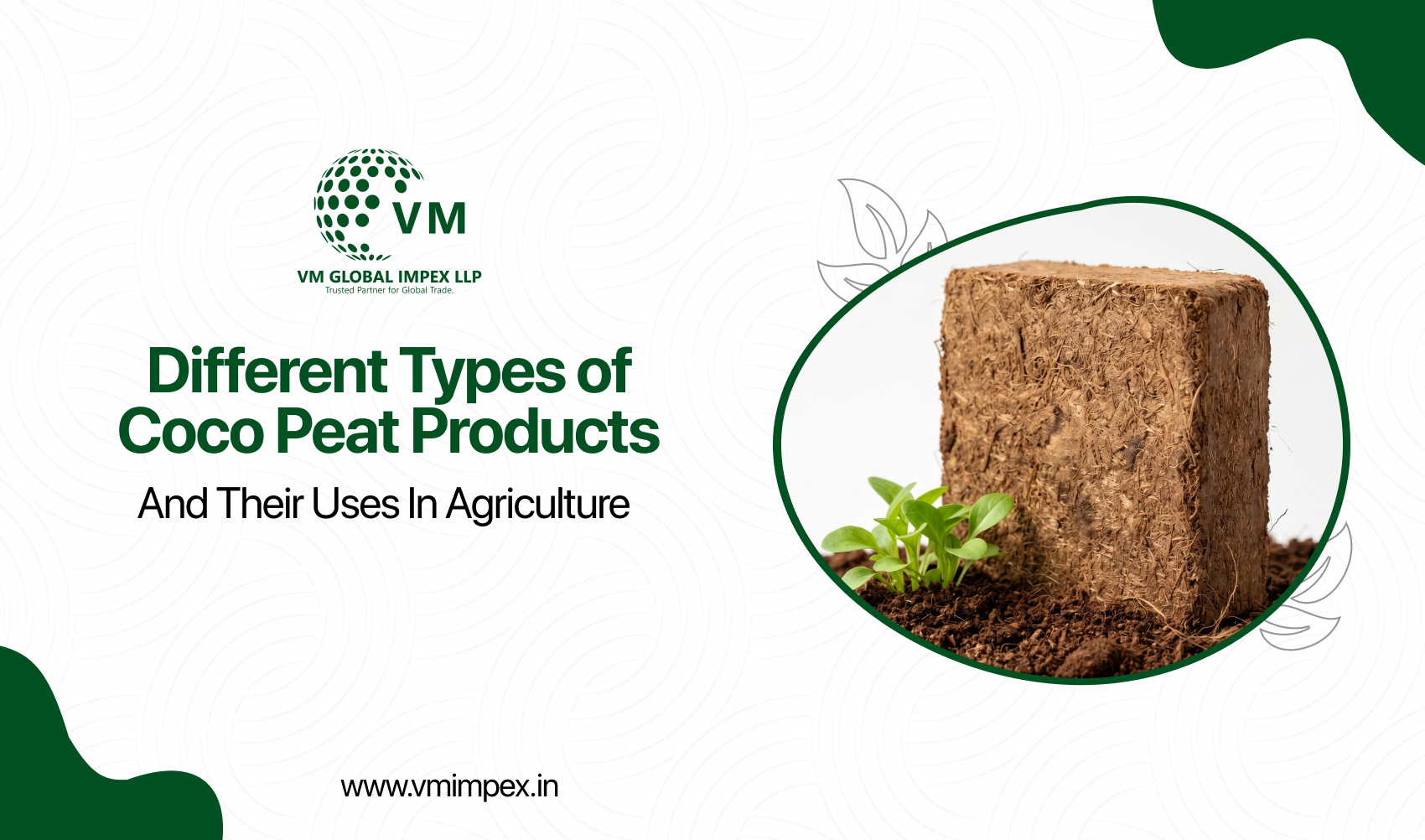
Different Types of Coco Peat Products and Their Uses in Agriculture
What is coco peat and why does it matter? Agriculture changes its shape from time to time. The change of climates, reduced water usage, and shifting to 100% natural farming are not an easy cup of coffee. So, the different types of cocopeat products emerge in crop farming. From the natural field to the advancement…
-
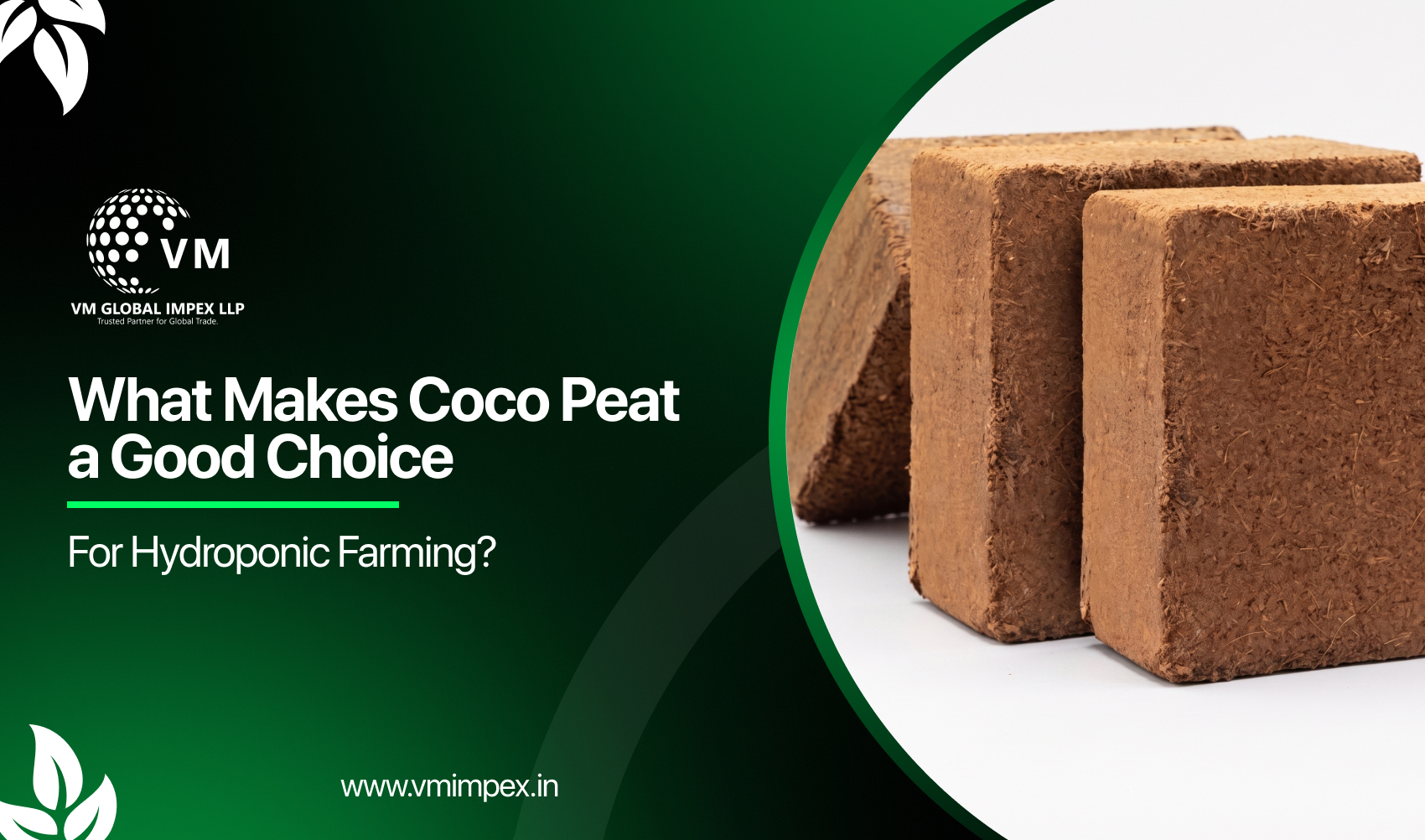
What Makes Coco Peat a Good Choice for Hydroponic Farming?
Introduction Just imagine… if a plant grows without the base of natural soil, using a limited control of space with minimal water usage. Is that possible? Yes. This style of farming is called hydroponic farming. Coco peat for hydroponic farming serves the role that actual soil does. The fast phase of modern crop farming is…
-
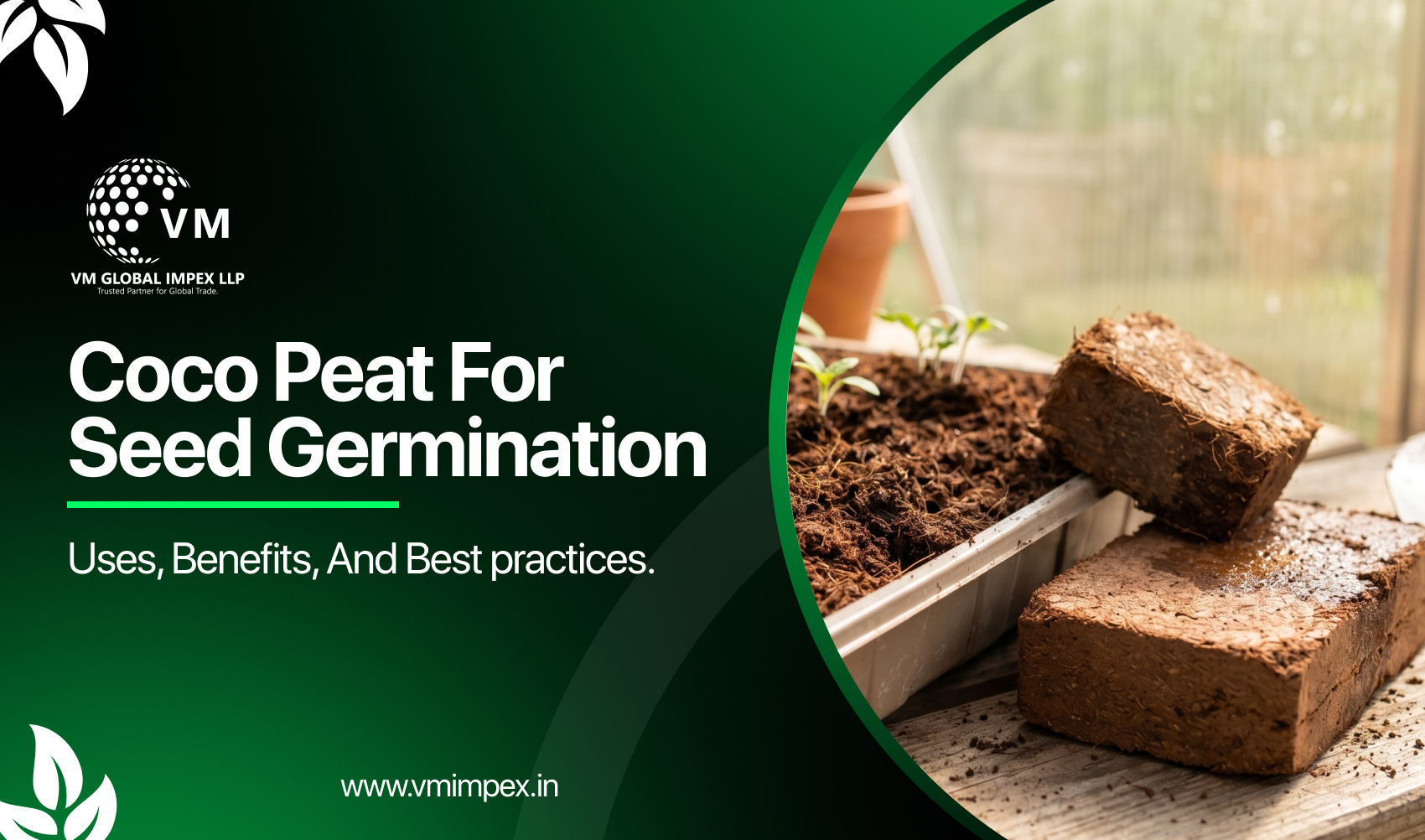
Coco Peat for Seed Germination: Uses, Benefits, and Best Practices
Introduction Gardening has a way of bringing people together across all ages. A child pressing a seed into soil for the first time and an elder quietly deadheading flowers at dusk are both doing the same thing — finding joy in watching something grow. It is a simple habit that asks for patience, attention, and…
-
Why Coco Peat Is a Preferred Growing Medium for Commercial Farming
What is Coco Peat? Coco peat, also known internationally as coir pith or coir dust, is a natural byproduct obtained during the extraction of coir fiber from coconut husks. Historically treated as agricultural waste, this spongy, highly porous material has emerged as one of the most effective, eco-friendly growing substrates in modern commercial agriculture. During…
-
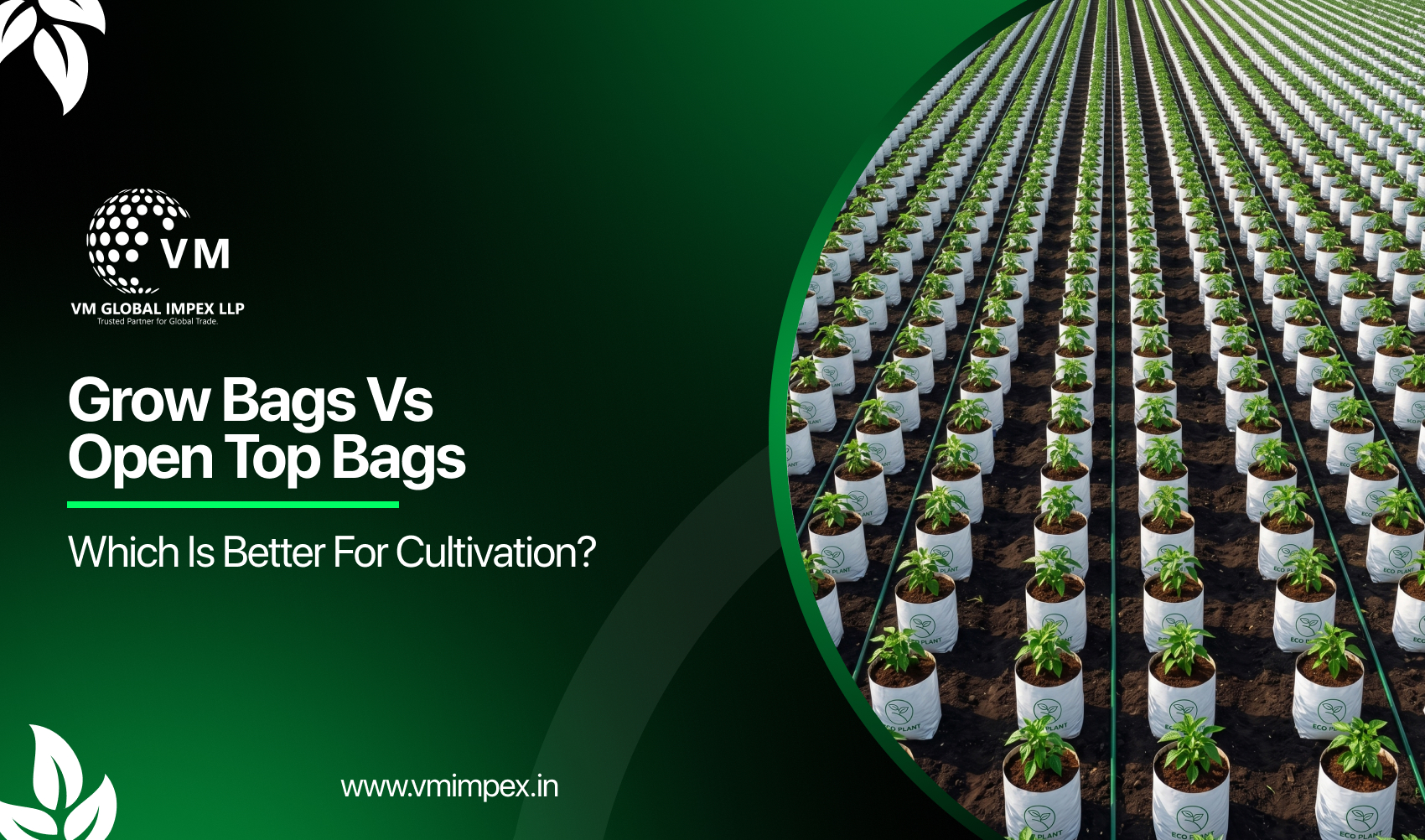
Grow Bags vs Open Top Bags: Which Is Better for Cultivation
Introduction In high-tech commercial horticulture and hydroponic cultivation, managing the root zone is crucial to maximizing yield. Among the various substrate containers, coir-filled plastics have become the industry standard. However, growers often face a strategic choice between two main form factors: lay-flat Grow Bags (Slabs) and vertical Open Top Bags. Both products utilize compressed coco peat mixtures inside…